For my last blog post on the subject of movement in the classroom,
I’ve decided to focus on 3 shorts subjects.
1. A Morning Shakeoff
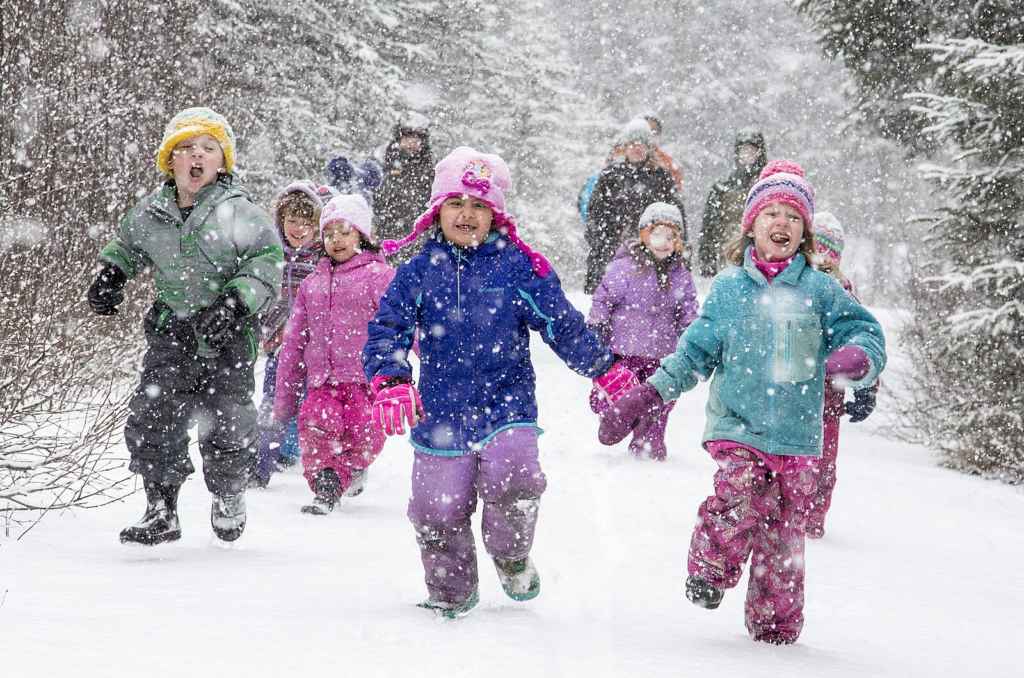
My Kindergarten mentor teacher has a routine I absolutely love. Before students get in the school when the ring bells, she comes outside and goes on a little “run” with them in the school yard to shakeoff before they start their day: they walk, jump, run, tiptoe, skip, whatever the teacher calls out. And of course, she does it with them.
And honestly, it responds to a very real problem: How many students wake up late, finish breakfast in the car or at school, and start their day by sitting down in a classroom? Too many. For those kids, this little routine acts like a reset button, allows them to move, and helps them have a better day at school.
2. Thekettlebellclassroom
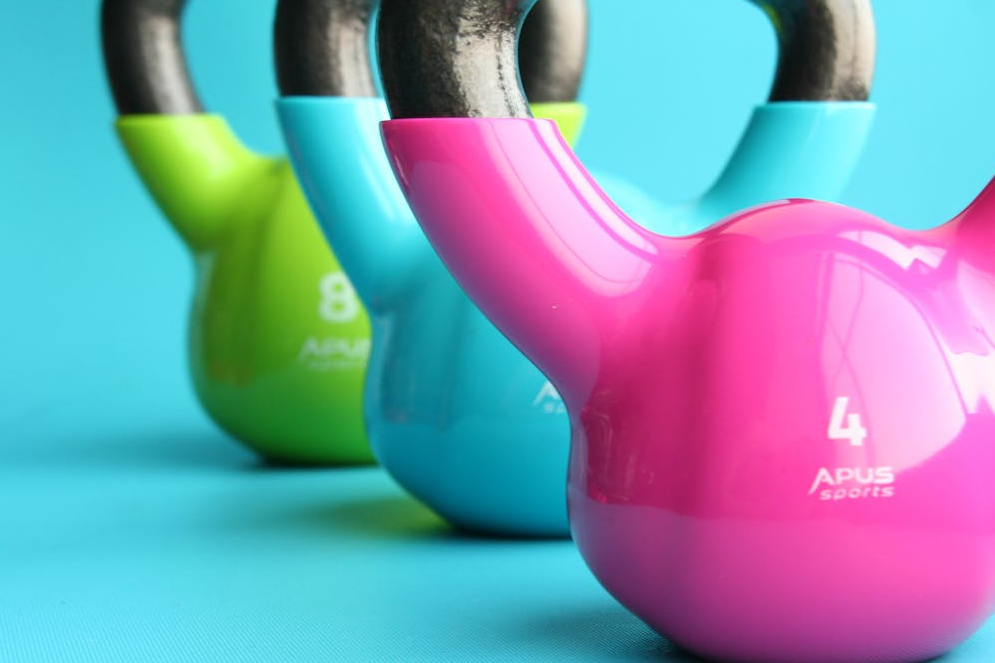
I also wanted for this last blog post to highlight @thekettlebellclassroom on Instagram, a teacher who literally does workouts with her students.
She focuses on strength, resilience, and motivation. She pushes students to challenge themselves safely and she celebrates their effort. Watching her students do kettlebell swings, snatches, hang cleans and push through tough intervals makes me think about what’s possible when movement isn’t just “P.E. time,” but part of classroom culture. The focus isn’t only on getting tired and letting the sillys out; it’s on building confidence, perseverance, and the feeling of “I can do hard things.” For some students, your expectations of them will become their expectations of themselves. If you believe they can do it, they are much more likely to believe it too.
Accounts like TheKettlebellClassroom remind me that school movement can be strong, joyful, and structured all at once, and that kids are often capable of much more than we think when they feel supported, safe, and encouraged.
3. For Representation
A last tool I’ve been exploring is the Movement Activity Cards from Healthy Schools BC’s Learning in Motion project. They’re simple, printable cards with so many movement ideas teachers can use. Activities range from balance practice, beanbag games, desk activities, jumping or ladder exercises, math-based movements, planks, sequences, strength work, table tops, and throw-and-catch games.
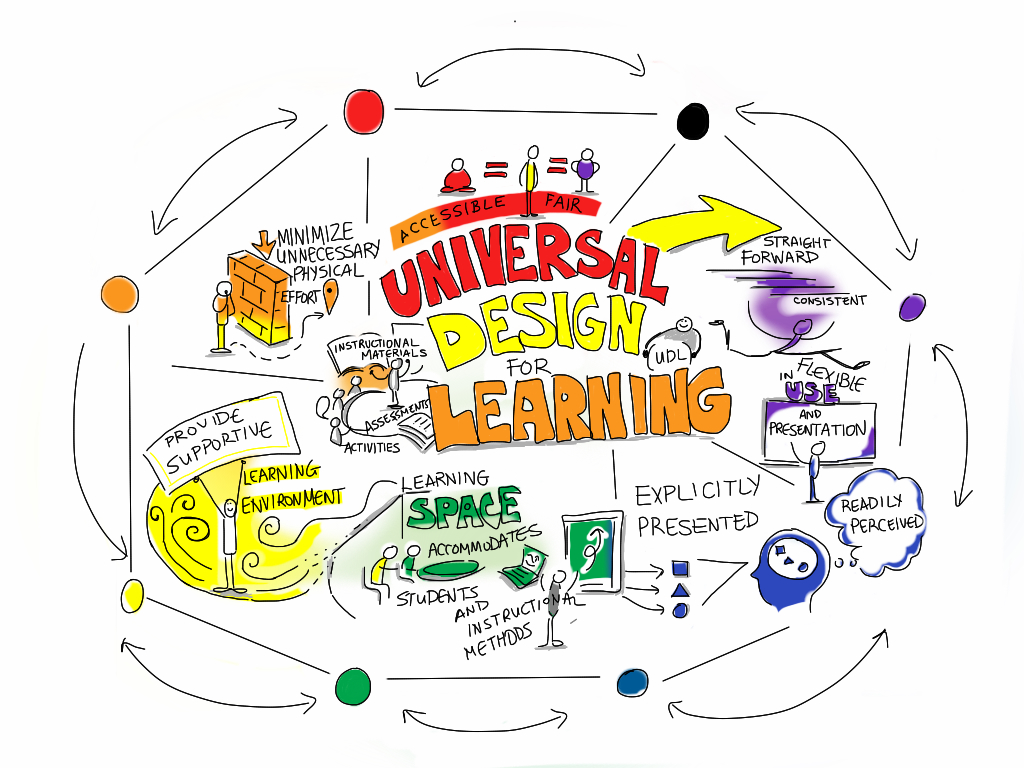
What I also love is how easily they fit inside a UDL (Universal Design for Learning) mindset; some students need different means of representation, and those cards offer the option. The different options also give students choices: they can decide which activity to do as a brain break, or which exercise to try in the hallway when they feel they need a moment to reset.
The cards also include creative ideas that work even when P.E. is cancelled or you’re stuck inside. One of my favourite examples is the plank hockey game (p. 40 of the Movement Activity Cards): a playful way to turn a core-strength exercise into something social and fun. Although students often benefit from moving, we all know they sometimes resist the idea if it’s suggested by a teacher or EA. However, instead of “Hold a plank for 30 seconds,” these activities turn movement into a game that’s much harder to resist!
That’s it, I hope you enjoyed my blog!
Bye!
Rosalie 🙂
