To see the video created by my team and I on the social impacts of technology in the classroom, click here.
A mix of a Few
For my last blog post on the subject of movement in the classroom,
I’ve decided to focus on 3 shorts subjects.
1. A Morning Shakeoff
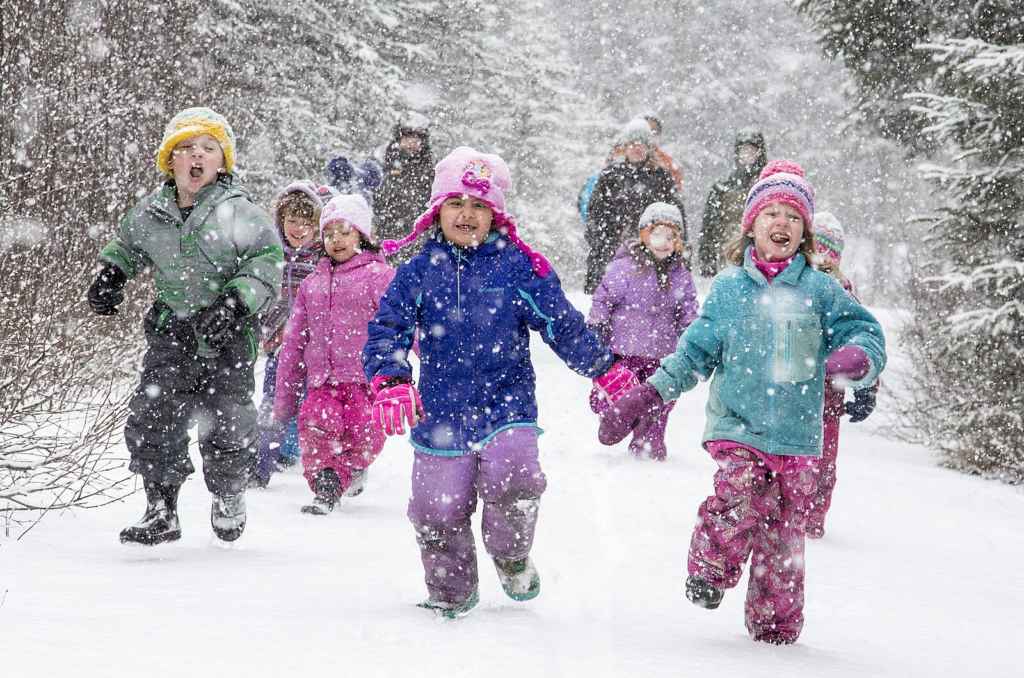
My Kindergarten mentor teacher has a routine I absolutely love. Before students get in the school when the ring bells, she comes outside and goes on a little “run” with them in the school yard to shakeoff before they start their day: they walk, jump, run, tiptoe, skip, whatever the teacher calls out. And of course, she does it with them.
And honestly, it responds to a very real problem: How many students wake up late, finish breakfast in the car or at school, and start their day by sitting down in a classroom? Too many. For those kids, this little routine acts like a reset button, allows them to move, and helps them have a better day at school.
2. Thekettlebellclassroom
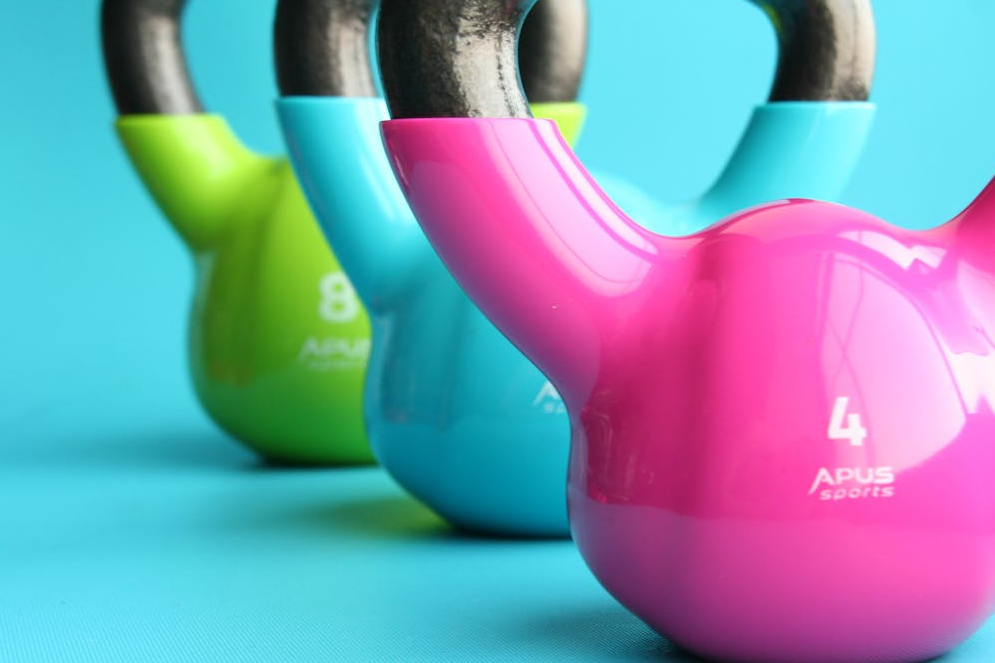
I also wanted for this last blog post to highlight @thekettlebellclassroom on Instagram, a teacher who literally does workouts with her students.
She focuses on strength, resilience, and motivation. She pushes students to challenge themselves safely and she celebrates their effort. Watching her students do kettlebell swings, snatches, hang cleans and push through tough intervals makes me think about what’s possible when movement isn’t just “P.E. time,” but part of classroom culture. The focus isn’t only on getting tired and letting the sillys out; it’s on building confidence, perseverance, and the feeling of “I can do hard things.” For some students, your expectations of them will become their expectations of themselves. If you believe they can do it, they are much more likely to believe it too.
Accounts like TheKettlebellClassroom remind me that school movement can be strong, joyful, and structured all at once, and that kids are often capable of much more than we think when they feel supported, safe, and encouraged.
3. For Representation
A last tool I’ve been exploring is the Movement Activity Cards from Healthy Schools BC’s Learning in Motion project. They’re simple, printable cards with so many movement ideas teachers can use. Activities range from balance practice, beanbag games, desk activities, jumping or ladder exercises, math-based movements, planks, sequences, strength work, table tops, and throw-and-catch games.
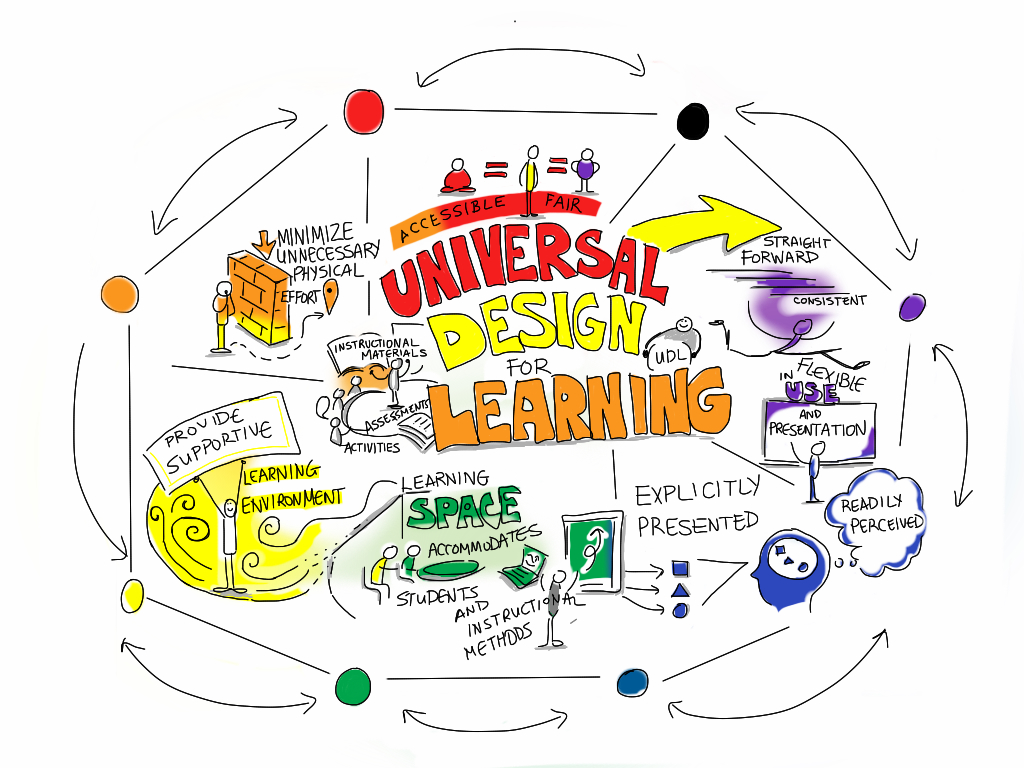
What I also love is how easily they fit inside a UDL (Universal Design for Learning) mindset; some students need different means of representation, and those cards offer the option. The different options also give students choices: they can decide which activity to do as a brain break, or which exercise to try in the hallway when they feel they need a moment to reset.
The cards also include creative ideas that work even when P.E. is cancelled or you’re stuck inside. One of my favourite examples is the plank hockey game (p. 40 of the Movement Activity Cards): a playful way to turn a core-strength exercise into something social and fun. Although students often benefit from moving, we all know they sometimes resist the idea if it’s suggested by a teacher or EA. However, instead of “Hold a plank for 30 seconds,” these activities turn movement into a game that’s much harder to resist!
That’s it, I hope you enjoyed my blog!
Bye!
Rosalie 🙂
The Thinking Classroom that Doesn’t Sit
We’ve discussed ways to involve movement in numeracy and literacy classes, but I missed a big one. Or should I say I didn’t know about it then. But right now, it is the most captivating concept ever created by humankind to me.
I was recently getting my daily dose of the Cult of Pedagogy and listened to the most interesting episode (206): The Thinking Classroom: An Interview with Peter Liljedahl (click here for the blog post). Although you won’t see students jump up and down with this approach, it does get them up and about. It breaks sedentary habits and has huge benefits. The idea was researched (for 15 years!) and tested with more than 400 teachers, and was initially offered to math teachers.
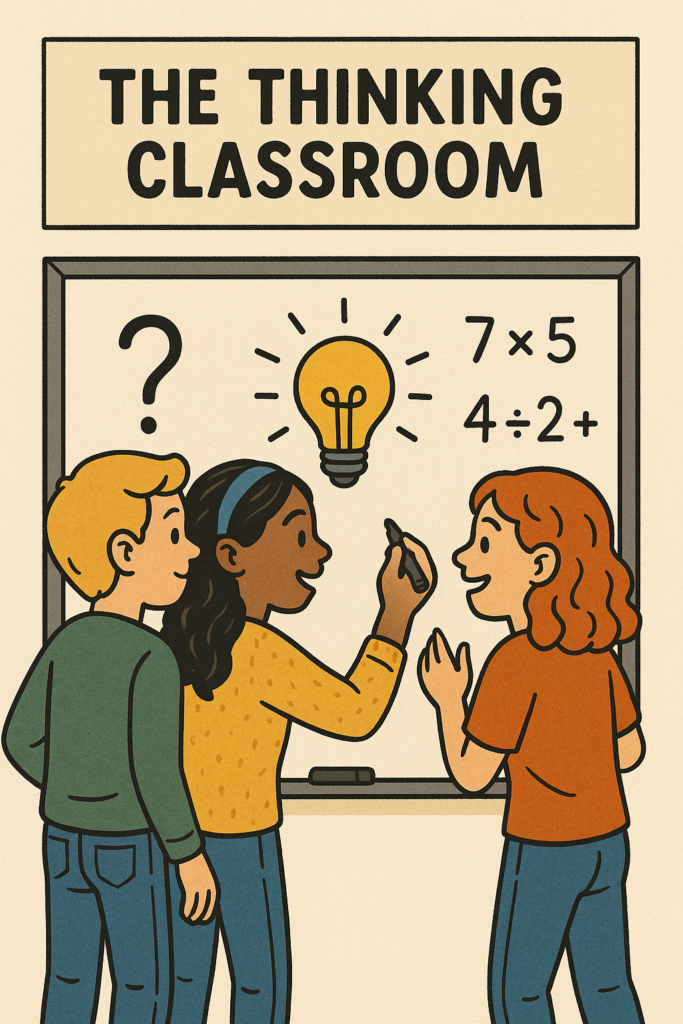
In short, the technique can be summarized as less teaching, no mimicking, and more thinking. Students work in groups of three, standing, writing on a whiteboard, with one marker per team. To get to where he did with this new approach, Peter Liljedahl questioned every institutional norm possible. He even had a classroom operate without furniture for a few weeks to research the impact of furniture… and he did that with everything. His approach is, in many ways, bulletproof.
The 14 Building Thinking Classrooms Practices are:
- What Types of Tasks We Use
- How We Form Collaborative Groups
- Where Students Work
- How We Arrange the Furniture
- How We Answer Questions
- When, Where and How Tasks Are Given
- What Homework Looks Like
- How We Foster Student Autonomy
- How We Use Hints and Extensions
- How We Consolidate a Lesson
- How Students Take Notes
- What We Choose to Evaluate
- How We Use Formative Assessment
- How We Grade
I just bought his book and it has been captivating. He goes in depth about just about everything. See it in action here. No one sitting on a chair. No. One.
Look, I have never been a math teacher, but it sounds amazing, and of course this technique can always be implemented alongside something else – whatever you feel your classroom needs. At its core, it works against “learned helplessness.” All the time, students are being told what to do, when to do it, and how to do it, with very little room for thinking, making mistakes, or figuring things out. Sure, some students will take that space, whether it comes naturally to them or because their parents encourage it at home. But most students won’t, and in a traditional classroom, an overwhelming majority won’t try to figure it out when it gets hard by trying, making mistakes, and trying again; they will just wait and see, or ask.
So this post is a little off topic, but also not, because students are standing up and writing, a strategy that, by the way, helps tremendously with thinking, engagement, and participation. And if the whole idea is not for you, that’s okay. It’s still a reminder that it can be easy to implement some kind of movement in your classroom that doesn’t need much space or have students sweating. If the Thinking Classroom method isn’t for you, perhaps try just having students work standing up when they are in a group!
Hope that helps!
EdCamp – After Thoughts
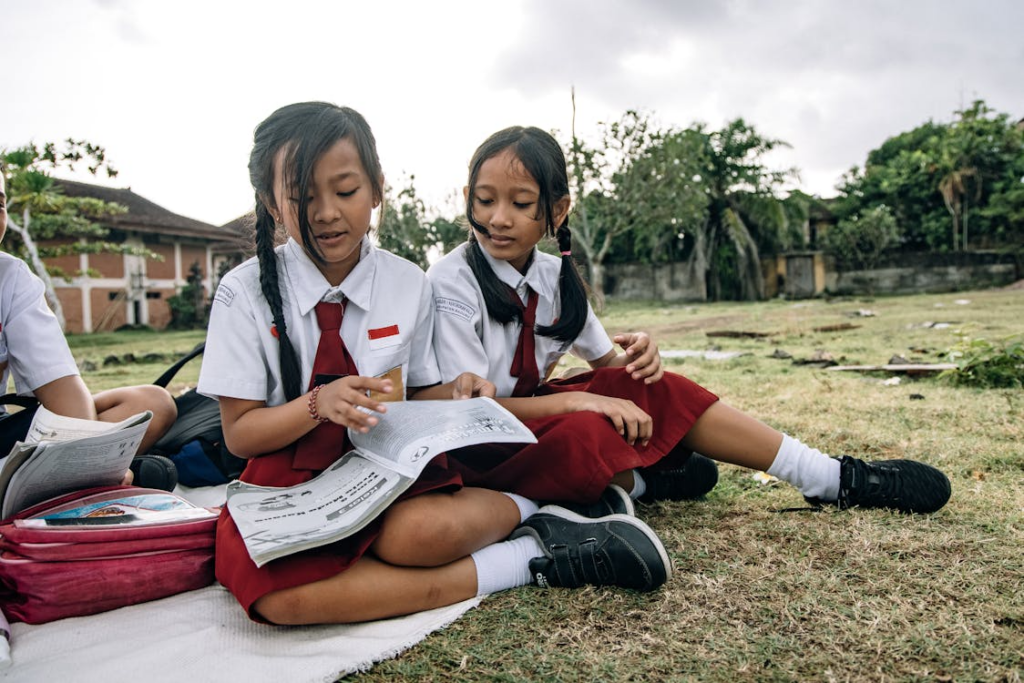
I really appreciated the EdCamp class today. In small groups, we discussed different subjects related to education. There were a few conversation options to join; if I recall correctly, there was EdTech and Phys Ed, outdoor education, the place of cellphones in schools, and two others.
I chose to discuss nature-based education, and we had great conversations. We talked about how more and more schools are integrating outdoor classrooms and how important and beneficial this can be. A simple change of environment, as well as breathing fresh air and getting some movement, can have a big impact on students’ motivation, focus, and interest.
There are so many interesting activities that can be done outside, from simple day-to-day tasks like correcting work or completing worksheets, to lessons focused on ecosystems, nature, and the environment.
There are also some challenges to take into consideration:
- Some schools might not have outdoor space available, especially if other classes are already outside.
- Some schools might be in busy areas where going outside could be counterproductive. If honks, sirens, and traffic are right next to the school, the noise might overstimulate students and pull them away from the main objective: learning.
- Some schools might have strict restrictions about bringing students outside, especially if the school is in a dangerous area, or if some students are at risk of running away (lived experience!).
- For language arts teachers/music/PE teachers (any teachers who only see elementary students occasionally), the transition of going outside on a whim, especially with younger students, might take up too much of the short amount of time they have with their class.
- For out-of-school activities, even something as simple as walking to a park, teacher-student ratios might prevent classes from leaving, especially in younger grades where the required ratio is lower.
But in general, we strongly agreed that nature should be included in school as much as possible!
Cari Wilson – After Thoughts
I truly appreciated Cari Wilson’s visit in our class; she was factual and able to give arguments both for and against the use of AI in classrooms. I really enjoyed the ethical dilemma conversation, because it pushes you to think about real issues that, as teachers, we’ll have to discuss with colleagues, students, parents, and ourselves!
This class was more than two weeks ago (we’ve been busy!), and here are the conversations that really stuck with me:
Use of AI with elementary and middle school students
I shared in class that I have a pretty strong stance on using AI in elementary and middle school. As an adult who uses AI, I’m extremely aware of its potential cognitive dangers. The only thing that seems to keep me “safe” is the fact that I spent 14 years in school without it. I learned how to develop patience, critical thinking, creativity, and, most importantly, how to write. I couldn’t just ask ChatGPT to correct my mistakes. I had to understand what my mistakes were.
Students will use AI at home, with their friends, and in their free time; to me, school is where they should balance that out. Honestly, even after this class, my opinion on that didn’t really change. However, I really appreciated how Cari highlighted the importance of AI education. That part I completely agree with. It’s important to make sure students know AI’s limits, its environmental impacts, the existence of deep fakes, and how to use AI appropriately; something we’re all still slowly figuring out.
Homework
Kind of unrelated to AI, but it came up in our conversation and I really liked it. Cari also talked about how much homework students get and how she tries to make hers relational and applicable. She tries to have students spend that time helping their parents at home or having conversations with them, and then she translates those experiences into pedagogical learning. It’s a concept I definitely want to research more in depth, because I found it really interesting.
Guidelines
She also emphasized how important it is to know the guidelines for AI use in our school district. I don’t have much more to say about that, but it’s something that’s really important to keep in mind.
Using AI as a teacher
The other big conversation we had, the one that raised concern in some, excitement in others, and a mix of everything in most, was about teachers using AI. Again, even though AI has existed for years, the AI we know now and its possibilities are relatively new, and especially, constantly growing. It’s really hard to have a firm opinion on how much teachers should use it. I talked with a teacher who said it feels like cheating. I get that. But I also feel that, even though the endless tools, apps, and websites are extremely overwhelming, AI has the potential to make teaching so much better: more adaptable, more creative, more interactive.
I can hardly imagine having time to think through all the adaptations a “perfect” classroom would have, on top of teaching students and having a life; family, partner, friends, going to the gym, being outside, going on weekend getaways, and watching a TV show at night. You see where I’m going with this: having a balanced life. I see AI as something that could help teachers be the teacher they want to be, in the classroom they want, while still having that balance.
The thing is, some extremely brilliant people are going to have to figure out how to make all this happen without destroying the environment… or maybe today’s kids will have to find a way. I thought the little boy’s idea of having the AI computer in a bubble in the ocean was so adorable, and honestly, kind of brilliant (maybe?).
Empower Students to Acknowledge when they Need a Break
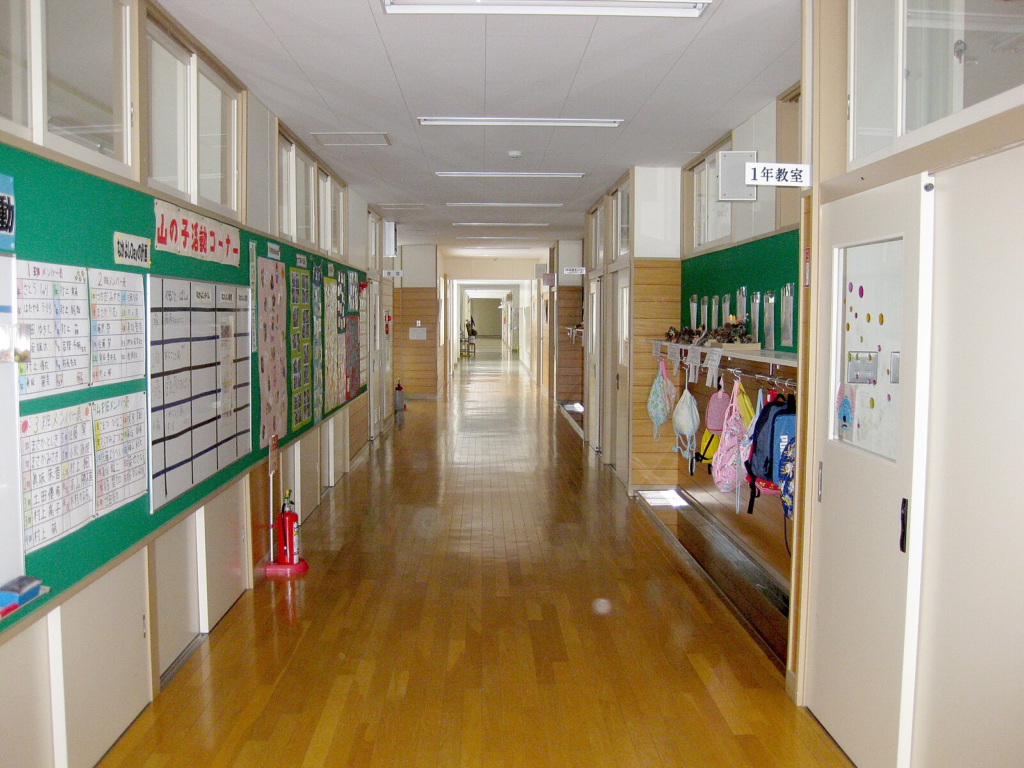

Lately I’ve been hearing more and more about purposeful movement breaks initiated by the students: kids acknowledging how they feel, stepping out for a minute, and coming back more focused than before. My kindergarten class has a version of this too, and I love it. No drama, no “you’re in trouble,” just: your body needs to move, go do what you need and come back.
That really got me thinking about the small ways we can bring movement into the school day, but not the big “everyone stand up and do a dance” kind of thing (even though I love those), but the personal, slightly sneaky ones. The ones that don’t derail the lesson, don’t require ten minutes of prep, but still help kids reset their brains and bodies.
Here are a few ideas:
The Hallway Bike
Picture this: just outside the classroom door, there’s a small exercise bike tucked against the wall. Nothing fancy. No screen. No program. Just pedals.
When students feel fidgety, frustrated, sleepy, or overwhelmed that if they’re feeling, they can quietly grab the hall pass (or whatever system you use), step outside, and pedal for a couple of minutes.
Before implementing this (and any other stations) in your classroom, make sure that you first imagine how you want it to look, discuss it with your stuednts, ask them to help you set expectations, and practice it! When students help create the rules, they’re much more likely to respect them. You might want to discuss: Why might someone want to use the bike? How long is fair? What does “quietly leaving” look like? What happens if two people want it at once?
Movement Cards in the Hallway: A Menu of Little Breaks
Picture this: a little strip of laminated movement cards posted at kid height. Each card has a short, simple exercise on it, like:
- 10 wall push-ups
- 20 jumping jacks
- walk to the end of the hallway and back
- 5 deep breaths with arms reaching up and down
- jump on one leg for 30 seconds each side
- stretch to touch the floor, then the ceiling, 10 times
In a lot of the classrooms I’ve seen (and in my kindergarten class), the movement options are set up in the hallway, not inside the room. And I think it’s important, because unfocused students can step out, move, and reset, while students who are on task don’t get distracted watching someone else do jumping jacks next to their desk.
Standing Work Stations
Picture this: this one can be in the back or side of your classroom, one or two high desks where students can stand to work for a few minutes instead of sitting. This can help kids who just need to get out of their chair but still stay on task.
Pssst: I am currently writing this blog post from my standing desk, and I don’t know what I’d do without it.
Hallway Path
Picture this: a strip of tape on the floor outside your door, maybe a hopscotch grid, a balance line, or a zig-zag. When students need a break, they step into the hallway and follow the little “path” once as their movement break. They can walk it, jump along it, walk backwards, or even crab walk, and then they head right back to class. Want to get seriously creative? Read <a href="http://<p><a href="https://www.edutopia.org/article/hop-skip-and-jump">https://www.edutopia.org/article/hop-skip-and-jump</a>
this article by Edutopia and make it a sensory path!Make it Stick!
For this blog post, I wanted to talk about an episode from what I call my personal Bible: the Cult of Pedagogy podcast. I was listening to it in my car on the way home from school (never enough talk about education!). I love Jennifer Gonzalez and I’m currently making my way through her 263 episodes (as I’m writing this). She has experience in the classroom, and she also brings on guests to discuss a wide range of topics.
In one of her episodes from 2019, called “To Boost Learning, Just Add Movement,” she talks about the benefits of adding movement in the classroom not just for physical or mental health, but also to improve learning. This episode made me realize I had to write a post about the Accelerated Integrated Method (AIM). But I’m diverting from the episode. In it, she states that “the use of gestures results in more enduring learning than learning without gestures.”
She also shares six ways to incorporate movement in the classroom that can improve students’ performance and help them understand and retain new vocabulary or concepts. I personally prefer listening to the episode because I can easily fit it into my driving time, but Jennifer also has a blog, and I believe there is a corresponding post for each episode. A bonus of the blog post is that she links a (or many) videos demonstrating each strategy. This is especially helpful for people who understand better when they can see someone doing it (and not because they’re so-called “visual learners”; she actually starts the episode and blog post by pointing out that learning styles have been labeled a myth for a few years now)!
She explains:
- Virtual and Augmented Reality
- Total Physical Response
- Tableau/Snapshot
- Simulations
- Songs with Movement
- Brain Breaks (which have been discussed in this blog as well)
Have fun, and I hope my bible become yours too, if it wasn’t already!
Jesse Miller Key Speaker – After Thoughts
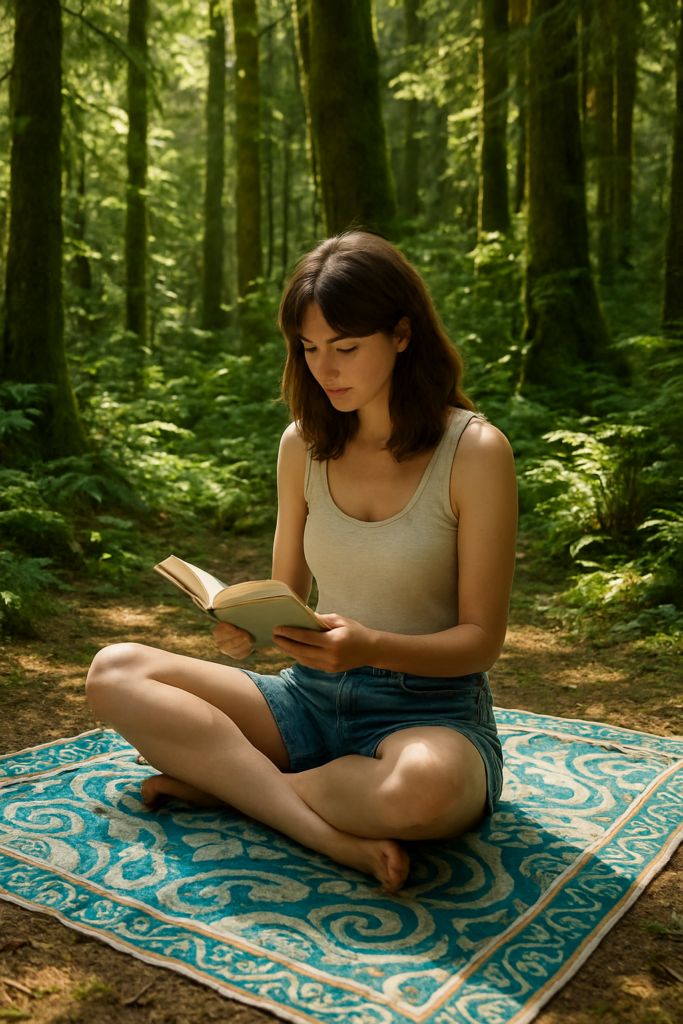
A photo of me reading a book yesterday.
What a great speaker Jesse Miller was! The class was not only really interesting, but also super applicable to teachers. A few things he said really stuck with me; here are a few, although I definitely forgot many more:
- I really appreciated how he discussed people’s responses to things that happen online (and honestly, in life). He pointed out how often, instead of actually helping, people further victimize the victim. Sad, but true. And I feel like we’ve all been that person at some point. It’s a good reminder to be careful about such behaviours.
- I also liked how he talked about going back to the “why”. Why someone started doing something before the “hate” showed up. Back to what made them happy, and reflecting on how that affects their self-esteem.
- Something that terrified me from the start is how realistic AI videos can be. I’ve thought a lot about the dangers of AI in terms of laziness, environment, and long-term employment, but I hadn’t considered how scary it is that we might not be able to tell what’s real anymore. And that matters for, like he said, young girls comparing themselves to someone, a someone who might not even exist.
- Another thought-provoking point, and it really was relatable for me, was that for some people (teachers, or principals specifically), high school feels like the safest place in the world, so their decisions are shaped by that belief. I relate, because I naturally think the same about elementary/middle schools, where I aim to work, which gives me a bit of a blind spot to the tough reality that schools and classrooms aren’t always safe. Honestly, I wouldn’t have even thought about keeping phones in class for the purpose of calling for help or recording inappropriate behavior.
- Another line that stuck with me: “We don’t learn when we are going through a crisis,” referring to taking a teen’s phone away. I asked what he’d do instead, and he mentioned using phone breaks and promising them after a set amount of time if everyone stays off their phones; leaning on accountability, which is so much more valuable to teach than punishment.
- His talk also gave me the idea that when I have my own classroom, I’ll ask parents if there are reasons their child should have a phone at school. I think this is especially useful in middle school, but it’s worth considering at every age.
In short, Jesse was incredibly insightful and knowledgeable, and I really appreciated him coming into our class and shining a light on these topics.
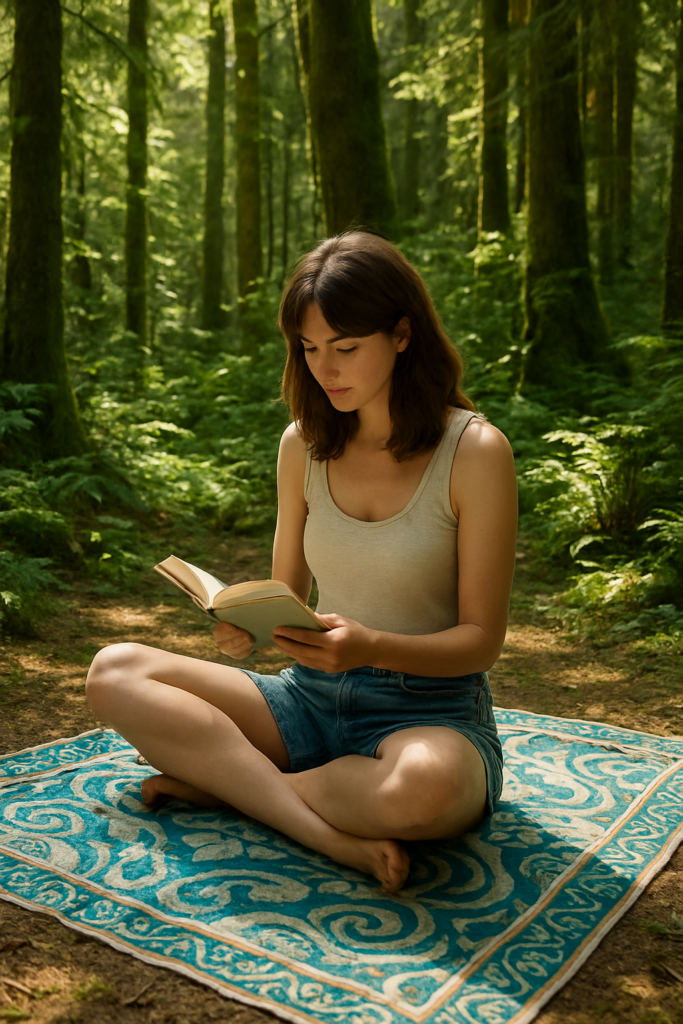
Oh and that photo of me from earlier? That person does not exist.

Multi-Access/Hybrid Learning – After Thoughts
I found the class really interesting, but it left me a little tangled in my own thoughts. I like taking a critical perspective on what I hear instead of jumping into the “this sounds perfect” mentality. I’m trying to get ready to be a teacher, so think about everything in a concrete “how will I do that in my classroom?” manner, staying realistic. The conversation I’m referring to was about multi-access/hybrid teaching in classrooms. I wanted to ask my teacher at the end whether the discussion was focused on elementary teaching or more upper levels, like college or university, but after two hours in front of my computer, I decided to log off!
I always appreciate Valerie’s compassionate and considerate perspectives, which come not only from her personal and professional values but also from experience with her own kids. She brings up dimensions I don’t naturally think about. As an able-bodied young woman who’s never faced significant physical or mental health struggles, I tend to forget about other people’s realities. And that’s where my dilemma comes in.
Growing up, I watched my mom teach grade 1, raise two kids, exercise, assist to ALL my brother and I’s sports games, go on weekend trips, see friends, cook us breakfast, lunch, and dinner (with my dad of course… this is 2025!), and SO much more. I respect her even more now that I’ve had my own classroom, because I’ve seen firsthand how demanding teaching is. Teachers have so much on their plates and so many students to support… and just so much time.
In a perfect world, all teachers would adapt lessons to every student, teach through multiple approaches, encourage students to express themselves in different ways, match each student’s exact level, include some free inquiry projects, be culturally responsive, act as counselors, and, on top of that, make their classrooms accessible both in-person and online. But I really struggle to see how that can all be possible, while having kids, friends, a partner, and a family, as well as a physical and mental health to take care of. I want to be the best teacher I can be, and expect working countless after hours, I’ve seen and experienced it firsthand, but refuse to forget myself in the process. Therefore, sometimes, I find myself conflicted with the idea of specialized schools (or classrooms) for students who need more support, whether that’s for mental health or physical disabilities. On the one hand, they offer smaller class sizes, more resources, and teachers with specific training. These schools can give students the attention they need, reduce the stress and workload on teachers, and provide environments that are better adapted to particular needs. I feel like, for some students, being in a space where their differences aren’t what make them stand out can build confidence and make learning more manageable? Families may also feel more supported, knowing their child is in an environment tailored to them.
On the other hand, I also see how these schools can risk deepening the gap, and sometimes leave students feeling more “set apart.”
So I guess I’m just a little overwhelmed with all of these expectations piled onto a job that is already so demanding. I have scheduled a meeting with my teacher, and look forward to having her valuable input on those thoughts.
Movement-Based Numeracy Activities
This week, I focused on math. So many people’s worst nightmare… but here are a few ways to make it fun and active!
1. Snowball Fight
I got this idea from Move Mountains in Kindergarten. Get your students in line and give each one a piece of paper with a number written on it. You can use single numbers (1, 2, 3, etc.) or skip counting (5, 10, 15, etc.).
Students squish their paper into a “snowball” and throw it. Then, on your signal, they tippy-toe to pick up a snowball, but not their own. Encourage them to move in a different direction instead of just in front of them. Once everyone has chosen a snowball, have them unwrap it and, working as a team, line up in ascending order.
TIP: Beforehand, demonstrate how to tiptoe and review what voice level is expected. Activities like this can get students so excited that they may want to shout.
2. Back N’ Forth
This next idea is inspired from Just Teachy. The original version uses a small “mat” and one die indoors. To win, 2 students “race” to the opposite end of the ladder by rolling a dice and moving accordingly to the number they get. For a more active twist, take it outside and have pairs draw their own ladder with chalk. With older students, I would suggest using two dice to practice addition or multiplication.
To add another twist and to avoid having to create an extra long ladder, if you’re practicing multiplication, count each jump as 2 and have students freeze if they roll an odd number! Encourage students to help each other when multiplication gets tricky.
There are so many variations to this game, you can easily make it your own.
3. What’s My Number
This last one is a fun, interactive way to review math concepts, and it’s easy to adapt. For younger students, you could for example focus on “greater than” or “smaller than.”
For older students, expand into reviewing or practicing place value, equations, or other math concepts.
The possibilities are endless, and you can adjust it to fit almost any unit.